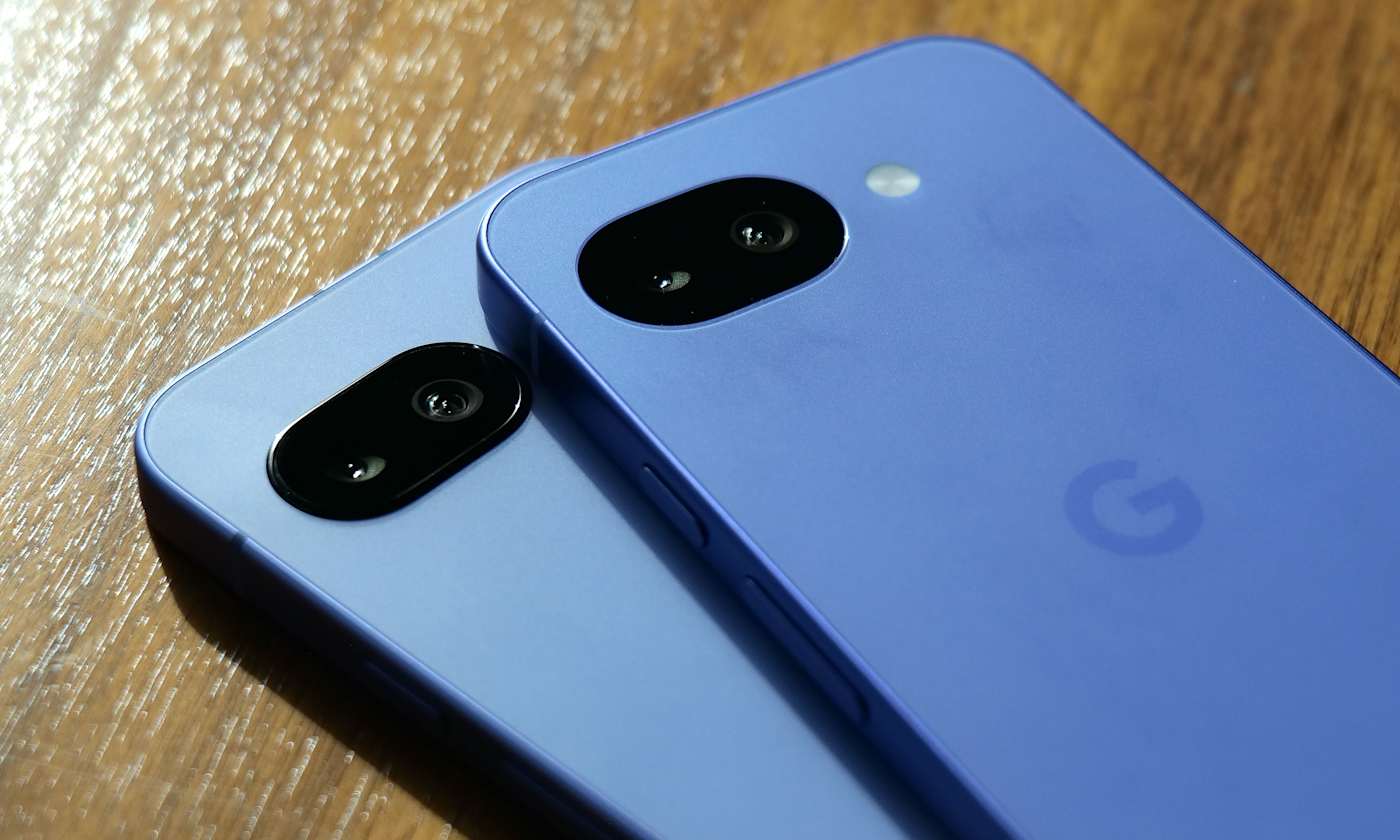
Google Pixel 10a vs. Pixel 9a: What's changed and which one should you buy?
Now that pre-orders are open for the Google Pixel 10a, it’s time to see how it stacks up against last year’s Pixel 9a . At first glance, the two phones look very similar, and that’s not a bad thing. Google hasn’t tried to reinvent its budget-friendly formula this year, sticking to the same compact design, clean software experience and camera-first approach that made the 9a such a good value.
Both phones share a lot in common, including 120Hz OLED displays, Google’s Tensor G4 chip, strong computational photography and seven years of OS and security updates. The actual differences are more incremental, including a moderately brighter, tougher display, improved Extreme Battery Saver longevity, slightly faster wireless charging and the addition of Satellite SOS.
Importantly, Google is keeping the starting price the same as before, with both phones coming in at $499. On paper, the Pixel 10a doesn’t dramatically rethink what an affordable Pixel should be, but it does offer meaningful upgrades for the same price.
While we wait for a review unit to evaluate the Pixel 10a's day-to-day performance, here's a quick comparison of the spec sheets of the two devices to see what the new model brings. Pixel 10a vs Pixel 9a: Design and display There’s very little separating these two on performance.
Both the Pixel 9a and Pixel 10a run Google’s Tensor G4 chip with 8GB of RAM and the same storage options, so day-to-day speed should feel virtually identical. The Pixel 10a ships with Android 16 out of the box, though the 9a can be updated to the same version. Off the bat, the Pixel 10a doesn’t look dramatically different from the Pixel 9a, and that appears to be intentional.
Google is sticking with the same compact, no-frills approach from the last few A-series Pixels, so you’re still getting a 6.3-inch OLED panel with a smooth 60–120Hz refresh rate and a clean, understated aesthetic. The meaningful changes show up once you dig into the display specs.
The Pixel 10a upgrades the cover glass from Corning Gorilla Glass 3 to Gorilla Glass 7i, which should offer better durability against drops and scratches over time. Brightness also gets a noticeable bump. The 9a topped out at 1,800 nits for HDR content and 2,700 nits at peak, while the 10a pushes that to 2,000 nits for HDR and up to 3,000 nits at peak brightness.
In practice, that should make the Pixel 10a easier to read outdoors and a bit punchier when watching HDR video. Contrast is improved as well. The Pixel 10a’s panel is rated at a contrast ratio of more than 2,000,000:1, doubling the already respectable figure on the Pixel 9a.
That won’t radically change how the phone looks day to day, but it should translate to deeper blacks and slightly more depth in darker scenes, especially when streaming video or browsing photos at night. Pixel 10a vs Pixel 9a: Cameras On paper, the Pixel 10a’s camera hardware looks very familiar.
Like the Pixel 9a, it uses a 48-megapixel main camera paired with a 13MP ultra-wide, and there’s no dedicated telephoto lens. Image quality, color science and low-light performance should therefore be similar between the two. Where the Pixel 10a pulls ahead is in software features. Google has added a few camera tools that aren’t available on the Pixel 9a, even though the underlying hardware hasn’t changed much.